


Impactful Communication: Dr Avra Lyraki Of Life Self Coaching On 5 Essential Techniques for Becoming an Effective Communicator

Original post on: https://medium.com/authority-magazine/impactful-communication-dr-avra-lyraki-of-life-self-coaching-on-5-essential-techniques-for-ddbb0fbe5be5
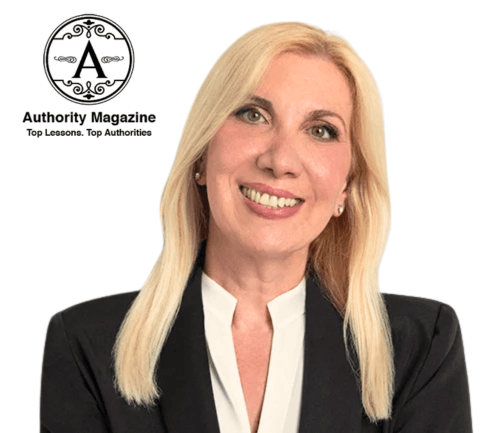
In an age dominated by digital communication, the power of articulate and effective verbal communication cannot be understated. Whether it’s delivering a keynote address, leading a team meeting, or engaging in a one-on-one conversation, impactful speaking can open doors, inspire change, and create lasting impressions. But what truly sets apart an effective communicator? What techniques and nuances elevate a speech from mundane to memorable? As part of this series, we had the pleasure of interviewing Dr. Avra Lyraki.
With over 25 years in Executive Coaching & Mentoring (MCC, ICF) and leadership development, on a global scale, Avra specializes in working directly with C-suite executives on what drives results: global communication, strategic executive coaching, and mentoring that cuts through complexity.
Prior to founding Life Self Coaching, Avra held leadership positions in the areas of Human Resources Management, Customer Intelligence & Experience, and Marketing Communications. This background enables her to bring a multidimensional perspective to her executive coaching practice and workshops, and truly understand not only how leaders lead, but also how they feel.
Since 1997, she has coached, trained, and mentored more than 10,000 senior executives, collaborating with multinational corporations and NGOs worldwide, including 18 U.S. diplomatic posts in Eastern Europe at the Department of State.
Avra holds a Ph.D. in Corporate Communication, a Master’s in International Management, and a Bachelor’s in International Relations. She is the creator of the Life Self Coaching Methodology© and co-author of the innovative Face Your Strengths© coaching framework, and a sought-after keynote speaker at conferences and universities worldwide.
Thank you so much for joining us in this interview series. Before we dive into our discussion about communication, our readers would love to “get to know you” a bit better. Can you share with us the backstory about what brought you to your specific career path?
Thank you so much for having me — I’m really glad to be here!
My path into coaching and communication wasn’t a straight line, but that’s what made it interesting. I started my career in leadership roles across Human Resources, Customer Experience, and Marketing Communications. These roles gave me a strong understanding of how organizations work-and more importantly, how people think, feel, and perform at work.
I noticed that many leaders knew what they had to do, but often struggled with how to do it-especially when dealing with emotions, difficult conversations, or people problems. That’s when I knew I wanted to help leaders directly by building their self-awareness and using their personal strengths to handle any challenge with confidence.
This led me to start Life Self Coaching and create the Life Self Coaching Methodology. Since then, I’ve coached over 10,000 senior leaders around the world, working with global companies, NGOs, and even U.S. diplomatic posts.
Can you share the most interesting story that happened to you since you started your career?
One of the most interesting moments in my career happened during a leadership workshop I was leading for a group of diplomats at a U.S. embassy in Eastern Europe. I was talking about communication and self-awareness-topics that can sometimes feel a bit “soft” in high-pressure, results-driven environments.
At first, the room was quiet, even a bit skeptical. But as we moved deeper into the session, one senior diplomat opened up about a difficult situation he had faced with his team. That moment broke the ice. Suddenly, people began sharing their own stories, challenges, and realizations. What started as a formal workshop turned into a deeply honest and powerful conversation about leadership, vulnerability, and growth.
That experience reminded me that no matter how experienced or accomplished someone is, we’re all human-and when given the space, people are ready to connect, reflect, and grow. It was one of those moments that confirmed exactly why I do what I do.
You are a successful business leader. Which three character traits do you think were most instrumental to your success? Can you please share a story or example for each?
Looking back, I think three key traits have really helped me succeed: curiosity, creativity, and social intelligence.
I’ve always been curious. I enjoy asking questions and figuring out how things work-especially when it comes to people. Early in my career, I didn’t just stick to my job. I wanted to understand how other teams operated, what motivated people, and what challenges leaders faced. That curiosity gave me a wider perspective on business and helped me later when I began coaching senior leaders from very different backgrounds all around the world.
Creativity has also been a big part of my journey. When I started Life Self Coaching, my goal was to create something practical-something people could easily use every day. That’s how the Life Self Coaching Methodology© came to life. Instead of following the usual path, I looked for simple, down-to-earth ways to help people grow and make real changes in their lives.
Finally, social intelligence has been essential. Being able to read a room, sense how people feel, and adjust my approach has made a huge difference-especially in coaching and leadership. I remember when I was a senior executive, negotiating a proposal that could really benefit the organization. I had scientific-proven information, but I quickly realized that wasn’t enough. I needed to read the room carefully and focus on the parts of my ideas that really mattered to my audience. That made all the difference in winning their support.
Ok, thank you for that. Let’s now jump to the primary focus of our interview. Let’s begin with a basic definition so that we are all on the same page. How would you define an “Effective Communicator?” What are the characteristics of an effective communicator?
To me, an effective communicator is someone who not only shares their ideas clearly but also truly connects with others. It’s not just about speaking well-it’s about knowing yourself, being present, and building real relationships. I like to think about it in four parts, based on the R.C.C.E. framework I have developed after 25+ years of practice.
First, reflect. An effective communicator knows their strengths, values, and what might hold them back. They make sure their words match who they really are and what they believe in. This makes their message feel honest and confident.
Next is communicate. They speak clearly and from the heart, but they also listen carefully. Listening with full attention helps them understand others better and build trust.
Then comes connect. They’re curious about other people and open to different ideas. This helps them create real connections and inspire others — not by pushing, but by being genuinely interested and present.
Finally, excel. Effective communicators lead with a clear vision. They inspire people, set a direction with confidence, and get things done in a way that makes a lasting impact.
How can one tailor their communication style to different audiences or situations?
Tailoring your communication style to different audiences or situations starts with one key thing: awareness. You need to be aware of who are you, who you’re speaking to, what they care about, and the context you’re in. It’s not about changing who you are-it’s about being flexible in how you deliver your message so it resonates.
For example, if you’re speaking to a senior executive team, you’ll want to be clear, direct, and focused on results. They often don’t need all the details-just the big picture, the impact, and what decisions need to be made. On the other hand, if you’re talking to a team on the ground, they may want more context, guidance, and space to ask questions.
Adapting also means paying attention to tone, language, and body language. In a formal setting, you might choose more structured language. In a casual one-on-one chat, a more relaxed and conversational tone helps build trust.
And don’t forget the power of listening. Sometimes, the best way to tailor your message is to stop and listen first. When you understand what someone needs or feels, it becomes much easier to speak in a way that lands well.
Can you provide an example of a time when you had to adapt your communication style to reach a particular audience successfully?
One time I had to adapt my communication style was during a leadership workshop with U.S. embassy leaders in Eastern Europe. These were experienced professionals, many with military or diplomatic backgrounds, and they were used to structured, strategic discussions.
At first, I spoke about emotional intelligence and self-awareness in a way that felt too personal or abstract for them. I quickly noticed they weren’t fully engaged.
So I shifted my approach. I used more practical language and tied the ideas directly to their everyday work-like leading under pressure, managing teams in crisis, and handling cross-cultural challenges. Once they saw how these skills could help them lead more effectively, everything changed. The group became much more engaged, and the conversation went deeper.
That experience taught me how important it is to adjust your message to fit your audience-without changing its core meaning.
How do you handle difficult or sensitive conversations while maintaining open and effective communication?
When I have to handle a difficult or sensitive conversation, I try to approach it with both honesty and empathy.
Before the conversation, I take a moment to think about what I want to say and how I want to say it. I remind myself that the goal is not to be right, but to have a respectful and open conversation.
I’m always honest, even if the message is hard to hear. But I try to say it in a kind and respectful way. I focus on facts and how I feel, instead of blaming or judging the other person.
I also make sure to listen carefully. I let the other person speak and really try to understand their side. Even if we don’t agree, I want them to feel heard and respected.
In your experience, how does storytelling play a role in impactful speaking? Why do you think stories are effective in communication?
In my experience, storytelling can be a helpful tool in speaking, but it’s not always necessary. Some people connect well with stories, while others, like me, prefer clear and straightforward facts. Stories can make complex ideas easier to understand, especially for people who might have trouble grasping the main point right away. They can also make information more memorable.
I think that storytelling isn’t the best choice for every situation or person. Sometimes, facts and direct information are what’s needed, especially when the goal is clarity. For people who prefer facts, analogies or short stories can still help explain things without losing the point.
So, I think storytelling is just one tool in communication. Whether or not to use it depends on the audience and the situation. Some people respond well to stories, while others just want the facts. The key is being flexible and knowing when a story can help make the message clearer.
What are your “5 Essential Techniques for Becoming an Effective Communicator”?
1. Reflection
Being aware of ourselves -our strengths, weaknesses, and how we come across to others-is key to effective communication. For example, I worked with a leader who was very direct in her speech. She didn’t realize that her tone sometimes sounded harsh. Once she became more aware of this, she was able to communicate in a way that felt more balanced and authentic.
2. Intention
Before we speak, take a moment to think about what we want to achieve. Are we trying to share information, motivate someone, or solve a problem? Having a clear goal helps us stay on track and make sure our message is effective. For example, before giving a speech, I always ask myself, “What do I want my audience to take away from this?”
3. Presence
Being fully present means we’re not just listening to the words, but also paying attention to the other person’s feelings and body language. I remember having a conversation with a team member who seemed quiet but uneasy. By staying present and noticing their non-verbal cues, I was able to create a space for them to open up about their concerns, which helped us find a solution.
4. Clarity
Clear communication is essential, especially when discussing complex topics. People appreciate when things are simple and easy to understand. For example, when a senior leader needed to share a big change with the team, we focused on the key points that mattered most to them. Keeping the message simple made it much more effective.
5. Listening
Listening is one of the most important skills in communication. It’s not just about hearing the words; it’s about understanding what the person is really trying to say. In my coaching sessions, I listen carefully to both the words and the feelings behind them. Once, I helped a client express their true concerns simply by asking the right powerful questions and apply global listening.
How do you integrate non-verbal cues into your communication? Can you provide an example of its importance?
Non-verbal cues-like body language, facial expressions, and tone of voice are a huge part of communication. I always try to be mindful of my own non-verbal cues, and I also pay close attention to others’ body language to better understand what they’re really thinking or feeling.
For example, in a coaching session, I may say something reassuring or encouraging, but if the person’s body language is tense or closed off, it tells me they might still be holding back or uncomfortable. In these situations, I adjust my approach-maybe by giving them more space, or asking more open-ended questions to help them feel more at ease.
Similarly, if I’m speaking to a group, I use open body language-maintaining eye contact, using hand gestures, and staying physically engaged to keep the energy positive and show that I’m fully present. These non-verbal cues help build trust and create a connection, making the conversation more effective.
How has digital communication changed the way you convey your messages? Are there any specific challenges or advantages you’ve encountered?
For someone with experience in coaching like me, digital communication hasn’t drastically changed the way I work, because, as coaches, we are trained to read body language and pay attention to non-verbal cues. Even in a virtual setting, I can still tune into small signs-like tone of voice, facial expressions, or the way someone sits during a video call. These cues help me understand how my clients are feeling, even when we’re not in the same room.
Public speaking is a common fear. What techniques or strategies do you recommend to manage and overcome stage fright?
The best way to manage it is practice, practice, practice. The more you practice, the more comfortable you’ll feel with your material. It’s not just about memorizing your speech, but getting used to how you want to present it. This makes you feel less nervous because you’re not worrying about the words, but focusing on connecting with your audience.
I also suggest visualization. Before you go on stage, take a moment to close your eyes and imagine yourself speaking confidently, engaging with your audience, and delivering your message smoothly. This can help calm your nerves and make you feel more positive.
Breathing exercises are another great way to calm down. Taking deep breaths before you speak can slow your heart rate and help you feel more in control.
And finally, start with smaller groups. If you’re nervous about speaking in front of a large crowd, practice in front of smaller groups first. The more you do it, the easier it will become.
What additional resources do you recommend for individuals looking to improve communication skills?
At LifeSelfCoaching.com, we offer a range of online communication courses, along with executive coaching and mentoring services, that blend learning with practical experience.
You are a person of great influence. If you could start a movement that would bring the most amount of good to the most amount of people, what would that be? You never know what your idea can trigger. 🙂
If I could start a movement, it would be about positive authenticity in communication. In my talks, I always stress the importance of simplicity, especially for top leaders. Many C-suite executives struggle because they feel they need to put on a mask or be someone they’re not. This creates barriers in how they connect and lead.
The movement would remind people to be the best version of themselves, not just themselves. “Just be yourself” isn’t always good advice, especially if the person is stuck in a way of being that’s not their true potential. Authenticity is about aligning who you really are with how you lead and communicate, so you can build trust, connect deeply, and inspire others.
At Life Self Coaching, our motto is “Be the Best of Yourself.” When people show up as their true, confident selves, they have the power to lead with impact and create lasting change.
How can our readers further follow you online?
info@lifeselfcoaching.com
LinkedIn: Avra Lyraki
Thank you for the time you spent sharing these fantastic insights. We wish you only continued success in your great work!