


Meet Dr. Avra Lyraki – Bold Journey Interview

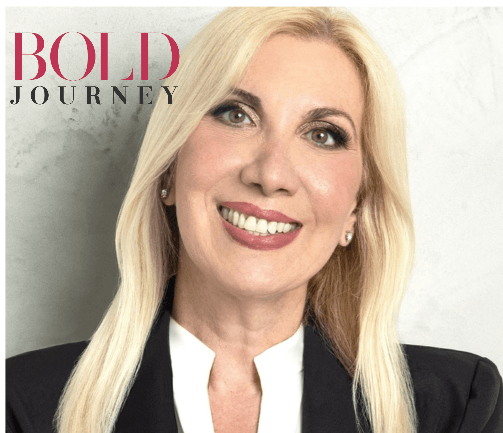
Original post on https://boldjourney.com/meet-dr-avra-lyraki/
Being the only one in the room: how have you learned to be effective/successful even when you are the only one in the room that looks like you?
Being the only one in the room that looks like me has pushed me to be very intentional about how I show up.
Early on, I realized that when you’re the only one, people notice you more. That can feel uncomfortable, but it also means your voice matters. I learned to prepare well, know my work, support my arguments with data and speak with clarity. When I’m confident in what I bring, it’s easier to feel confident in the room.
I’ve also learned not to put too much pressure on myself. I don’t have to represent everyone who looks like me – I only speak from my own experience. That mindset has helped me stay authentic and human, not perfect.
Another big lesson has been the importance of allies. Even if I’m the only one who looks like me, I try not to be the only one standing alone. I build relationships with people who share my values and respect my perspective, and that support makes a big difference.
Most importantly, I’ve learned to see being “the only one” as a strength. I notice things others might miss and bring a different point of view to the conversation. When I trust that difference instead of hiding it, I’m not just successful in the room-I help make the room better.
Please tell our readers about what you do, what you feel is most exciting or special about it, as well as anything else you’d like folks to know about your brand/art/etc. If relevant, please also tell our readers about anything new (events, product/service launches, expansion, etc)
I work as a C-Suite Global Executive Coach, supporting senior leaders, diplomats, and C-suite professionals who want to communicate with clarity, confidence, and authenticity-especially when the stakes are high.
Over the years, my work has been recognized internationally, including being named among the Top 50 Global Thought Leaders in Personal Branding and the Top 100 Global Thought Leaders in Coaching. Alongside my coaching practice, I’m also a keynote speaker, speaking around the world on leadership voice, credibility, and cross-cultural influence.
My approach sits at the intersection of intellectual rigor and calm authority. Before becoming a coach, I led communication and leadership initiatives for one of Greece’s largest banks, advised the U.S. Department of State community across 18 countries, and now serve as an ICF Assessor and Global Communication Mentor. That experience has given me a deep understanding of what it means to lead under pressure, in complex systems, and across cultures.
Clients often tell me that our work together feels both challenging and grounding. I create a reflective space where leaders can refine their voice, strengthen their presence, and align what they intend with how they are perceived. Whether they are preparing for a board meeting, a diplomatic negotiation, a global media appearance, or a critical keynote, my role is to help them show up as their most credible, impactful, and authentic selves.
The work I offer falls into three main areas. I support CEOs and senior executives who want to develop a strong thought-leadership presence-one that combines strategic insight, communication influence, and a clear, visionary voice for their organization. I also work with leaders on executive visibility and leadership presence, helping them strengthen authority, narrative control, and vocal presence without losing authenticity. And finally, I support leaders operating across borders, offering strategic guidance on how to communicate with precision, build trust, and influence outcomes on the international stage.
At the core of everything I do is one belief: leadership is not just about what you say, but how you show up-and when leaders find their true voice, they don’t just lead more effectively, they lead more humanly.
Looking back, what do you think were the three qualities, skills, or areas of knowledge that were most impactful in your journey? What advice do you have for folks who are early in their journey in terms of how they can best develop or improve on these?
Looking back, three things stand out as the most impactful in my journey.
First, self-awareness.
Learning to understand my own voice, values, and triggers changed everything. The more aware I became of how I showed up-especially under pressure-the more intentional and effective I could be. For those early in their journey, my advice is simple: build in time for reflection. Seek feedback, work with mentors or coaches, and get curious about how others experience you. Self-awareness is a skill, and it grows with practice.
Second, communication mastery.
Clear, grounded communication has been a constant differentiator for me. Not just what I say, but how I say it-tone, presence, timing, and intention. For anyone developing this skill, focus on clarity over complexity. Practice speaking in high-stakes moments, ask for honest input, and remember that credibility comes from consistency, not perfection.
Third, resilience paired with discernment.
Resilience helped me stay in the room; discernment helped me choose when and how to use my energy. Early in my career, I learned that not every battle deserves my full attention, and not every “no” is a failure. For those starting out, develop the ability to recover quickly-but also to pause, reflect, and decide what truly matters. Protect your energy as carefully as you build your ambition.
If I could offer one overarching piece of advice, it would be this: invest in your inner work as much as your external skills. The stronger and clearer you are on the inside, the more naturally confidence, credibility, and impact will show on the outside.
What was the most impactful thing your parents did for you?
The most impactful thing my parents did for me was model integrity and self-respect—quietly, consistently, and without performance.
They didn’t push me to become someone specific, but they were very clear about how to be: curious, responsible, and accountable for my choices. They taught me that your word matters, that preparation is a form of respect, and that dignity doesn’t depend on external validation.
Just as importantly, they gave me the confidence to think independently. They encouraged questions, welcomed different perspectives, and allowed me the space to form my own voice. That freedom-to think, to disagree, and to stand by my values-became the foundation of my leadership and my work.
Looking back, they didn’t remove challenges from my path. Instead, they trusted me to meet them. And that trust along with unconditional love and support, became one of the greatest gifts they could have given me.