


The Secrets CEOs Keep from Everyone – Except Their Coach

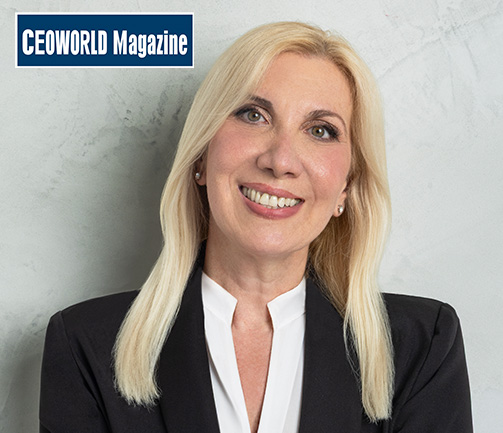
Original post on https://ceoworld.biz/2026/02/22/the-secrets-ceos-keep-from-everyone-except-their-coach/
The Secrets CEOs Keep from Everyone-Except Their Coach
From the outside, the CEO role looks powerful and decisive. Big stages. Clear statements. Strong direction.
Behind closed doors, the conversations are very different.
When CEOs speak privately with their coach, they rarely begin with strategy slides or quarterly numbers. They talk about pressure. About doubt. About decisions that feel heavier than they expected. Across countries and industries, the themes are strikingly similar.
From my experience coaching C-Suite leaders for the past 28 years I have noticed some common pain points and I am sharing a few examples of how they show up:
“I Can’t Say This to Anyone”
Isolation is the most common theme.
One global CEO told me, “If I show uncertainty, the organization feels it instantly.” He was leading a multinational expansion into a volatile region. Publicly, he projected confidence. Privately, he was questioning whether the political risk had been underestimated.
He couldn’t raise that doubt casually with the board without triggering concern. He couldn’t share it openly with his executive team without shaking their confidence. So he carried it alone.
That is far more common than people realize.
The Weight of One Decision
Another CEO was deciding whether to exit a long-standing market. Financially, the move made sense. Strategically, it aligned with the future. But thousands of employees would be affected.
He said, “On paper it’s obvious. In reality, it changes lives.”
At the top, decisions are rarely about numbers alone. They’re about consequences. Not only what the company will gain but also what the company cannot afford losing. Over time, that responsibility builds mental fatigue. Not dramatic burnout -but a steady, heavy cognitive load.
Board Tension No One Sees
A first-time CEO of a publicly listed company confided that her biggest stress wasn’t competition. It was her board chair.
They had different risk appetites. The chair wanted aggressive short-term performance. She believed the company needed slower, structural transformation. Every board meeting felt like a subtle negotiation.
From the outside, alignment looked strong. Internally, she felt constant friction.
These governance tensions are rarely visible – but they shape strategy more than most people imagine.
Leading Through Uncertainty
During a period of rapid AI disruption, one technology CEO said, “If I move too fast, we destabilize. If I move too slow, we become irrelevant.”
There was no clear playbook. Investors expected bold moves. Employees feared automation. Customers wanted innovation without disruption.
The real question wasn’t “What’s the right answer?”
It was “How do I lead when there isn’t one?”
That balancing act defines modern leadership.
Executive Team Friction
One CEO realized his top revenue leader was delivering numbers but creating cultural damage. High turnover. Fear-based management. Short-term wins, long-term erosion.
Replacing him would shock the market. Keeping him would damage the organization.
He admitted, “I know what the right decision is. I’m just calculating the fallout.”
C-suite decisions are rarely clean. They involve loyalty, optics, and timing.
Succession Anxiety
A highly successful CEO in his second term confessed to me something surprising: “The company is strong. But I’m not sure I am.”
He wasn’t failing. He was questioning relevance. Was he still stretching? Was he blocking the next generation of leadership?
These reflections happen more often than the public realizes. The higher the success, the deeper the legacy questions.
Identity Beyond the Title
Perhaps the most personal conversation came from a CEO approaching retirement.
He said, “For 20 years, when I walked into a room, I was the CEO. Who am I when I’m not?”
The fear wasn’t financial. It was existential. Influence, access, authority – they had become intertwined with identity.
That question – who am I beyond this role – sits quietly beneath many coaching conversations.
What most people I speak with don’t get is that the hardest parts of being a CEO are not technical.
They are psychological:
- Holding doubt without spreading fear
- Making irreversible decisions
- Managing powerful stakeholders\
- Navigating uncertainty without clear answers
- Separating identity from position
Strategy can be debated in a boardroom.
Numbers can be recalculated.
But loneliness, mental fatigue, and legacy questions require a confidential space.
Coaching at this level isn’t about giving advice. It’s about helping leaders think clearly when the stakes are high and challenging them – when no one else does.
It’s about slowing down decisions that feel urgent and sharpening those that truly are.
The strongest CEOs are not the ones without pressure.
They are the ones willing to confront it before it shapes their leadership unconsciously.